【Early Colorectal Cancer Screening │Stool Occult Blood + CEA】
📍 Price:HK$480/Person
🛑 No fasting required
❌During the menstrual period, it is not suitable for collecting urine samples. The sampls can be submitted to the clinic centre at least 7 days after the menstrual period is over.
📄 Report Turnaround Time: Approximately 7-10 working days.
👩⚕️Report Explanation: Explained clearly by medical staff
🩺 Test Procedure: Registration ➝ ➝ Blood draw ➝ Stool Sample ➝ takes around 30 -60 mins
❗For individuals under 18 years of age, they must have a guardian present to accompany them during the checkup ❗
Cancer is a disease in which some of the body’s cells grow uncontrollably and spread to other parts of the body. There are over a hundred types of cancers with different risk factors and patterns.
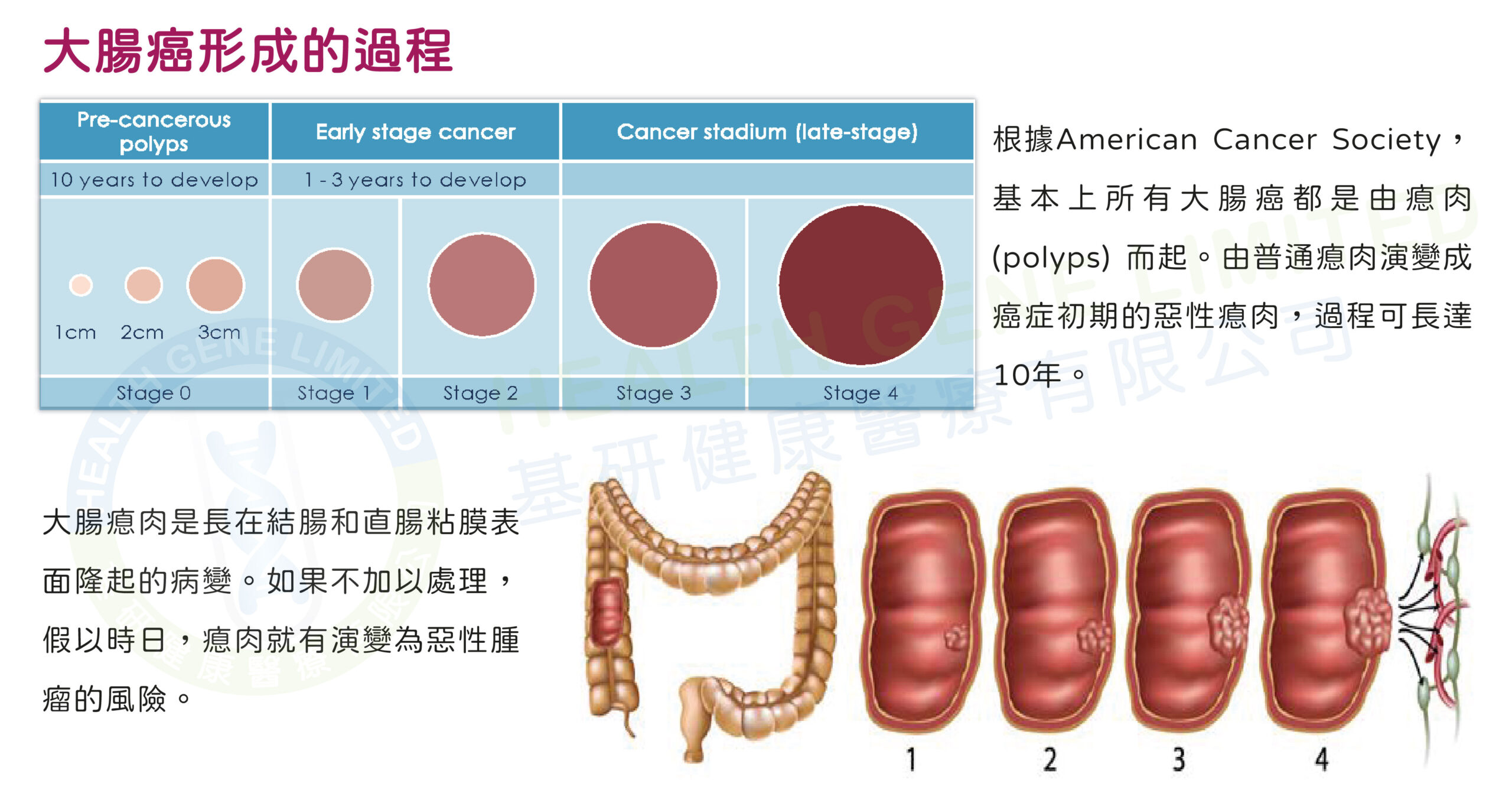
Most colorectal cancers begin as a small polyp. Polyps are usually benign, but some may gradually develop into cancer. The development of a polyp into cancer may take more than 10 years. If not treated early, cancer cells may invade and damage nearby organs, they can also spread to other parts of the body via the bloodstream and lymphatic system.
Early colorectal cancer may have no symptoms.
Stool Occult Blood (Human Haemoglobin)
A stool occult blood test is commonly used to screen for colorectal cancer at an early stage when treatment may be most effective.
This is a test to look for the presence of blood in the feces, which is invisible to the eye. Blood appearing in the stool usually suggests a digestive problem, though it does not necessarily mean colon cancer, it can be a sign of polyps, ulcers, anal fissures, ulcerative colitis, diverticulosis, intestinal infections etc.
A positive fecal occult blood test means that blood has been found in the stool. To determine the source of the bleeding, a doctor might suggest either by doing a colonoscopy or by other examinations to check if there is bleeding from your intestines or stomach.
A negative test result indicates that no blood was found in the stool sample during the testing period.
CEA
A tumor marker is a biomarker found in blood, body tissues, or urine, which can be produced by cancer cells or normal cells in response to cancer in the body.
While some tumor markers are linked to a specific cancer type, others are found in various types of cancers.
Why are they useful?
Screening for common cancers
Diagnosis of specific tumour types
Check if the treatment is effective
Prognosis
Monitoring cancer survivors
CEA is a type of tumor marker for colon and rectal cancer, CEA testing may be done in relation to other cancer such as breast cancer, lung cancer, thyroid cancer, pancreatic cancer, head and neck cancer etc.
Colorectal cancer Risk factors
Low-fiber, high-fat diet
Family history of colon cancer
Obesity
Lack of exercise
Smoking
Alcohol
Colorectal cancer Common symptoms
Change in bowel habits (diarrhoea or constipation) with unknown reason and lasting for more than two weeks
Blood or a large amount of mucus in the stool
Persistent urge after passing stool
Abdominal discomfort (persistent pain, bloating, fullness or cramps)