🩺【Pap Smear Test (HK$680) | Women’s Cervical Screening】
Price: HK$680|⛔ The test cannot be performed during menstruation. Please wait at least 7 days after your period has ended before taking the test.
Report Time: Approximately 7–10 working days
Recommended for women aged 25 or above who have been sexually active
Results will be clearly explained by professional medical staff
Test Procedure: Registration ➝collect cellss from the cervix ; takes around 30–45 minutes
The test is performed by female medical personnel for your comfort and privacy.
⚠️ Before the Test
Avoid sexual intercourse or vaginal products 48 hours before test
The testcannot be performed during menstruation. You should wait at least 7 days after your period has ended before taking the test.
If you have an infection, complete treatment first
Pap Smear (Cervical Cytology Test):
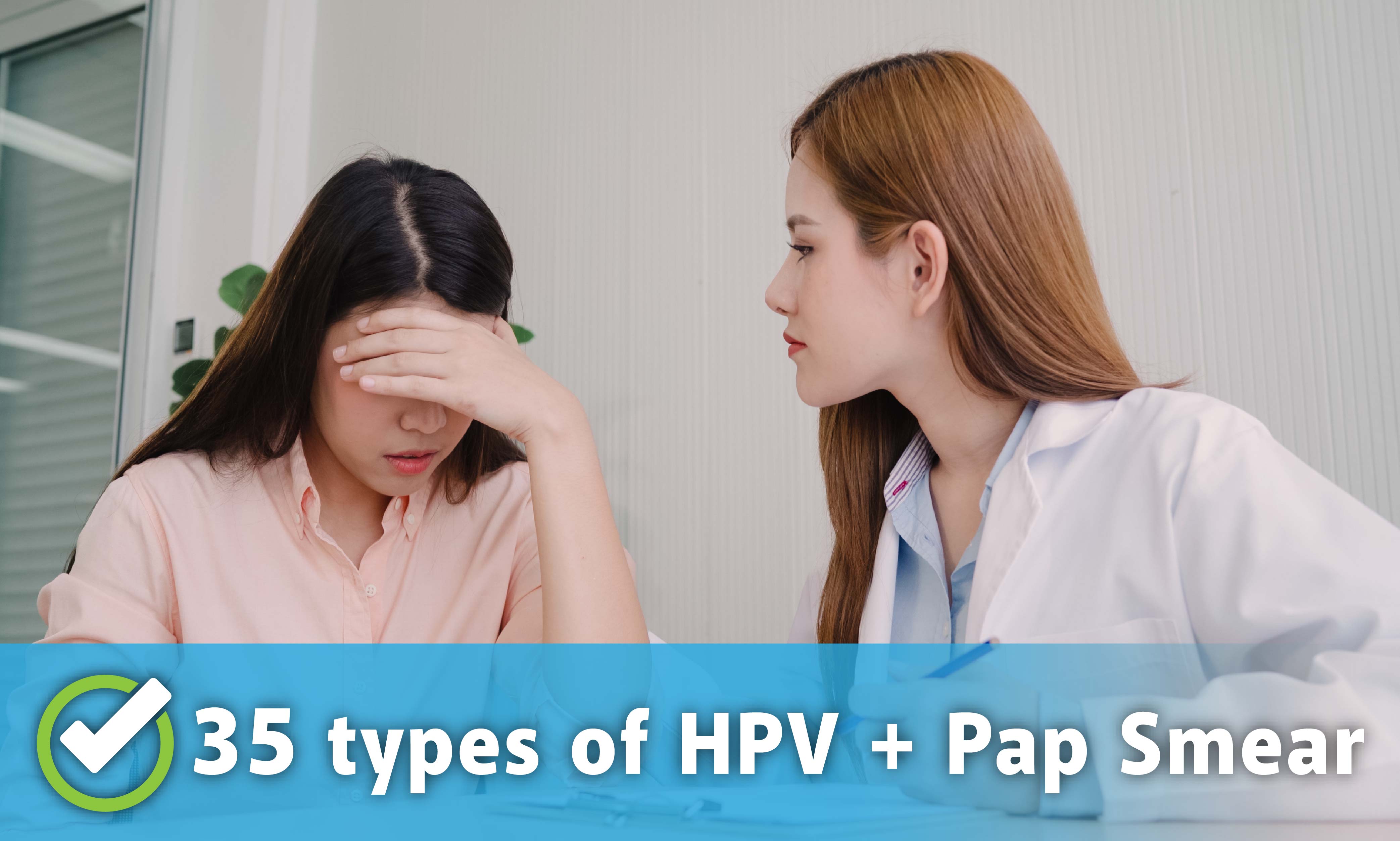
A Pap smear helps detect early cellular changes in the cervix. If abnormal cells are found, timely treatment can effectively reduce the risk of developing cervical cancer.
During the Pap smear, a healthcare professional (such as a doctor or nurse) gently inserts a speculum into the vagina to open it slightly, then uses a small brush to collect cells from the surface of the cervix. The sample is then sent to the laboratory for cytological examination.
The Hong Kong government recommends that women aged 25 or above who have been sexually active undergo regular cervical screening up to the age of 65. If two consecutive results are normal, the test can be repeated every three years thereafter.
🔬 Why Choose Pap Smear (ThinPrep) Test?
✔️ Higher accuracy than traditional Pap tests ✔️ Clearer cell visualization and reduced false negatives ✔️ Less interference from blood or mucus ✔️ Performed by female nurses for maximum comfort
Cervical Cancer — One of the World’s Deadliest Diseases
HPV (Human Papillomavirus) is the primary cause of cervical cancer and is also associated with several other cancers of the reproductive organs.
Cervical cancer is the most common malignant tumour of the cervix, with around 70% of cases linked to high-risk HPV infection.
Globally, cervical cancer ranks as the fourth most common cancer among women, with an estimated 660,000 new cases in 2022. According to the World Health Organization (WHO), more than 350,000 women die from cervical cancer each year.
In Hong Kong, cervical cancer is the 8th most common cancer and the9th leading cause of cancer death among women. In 2022, there were 552 newly diagnosed cases, and in 2023, 173 deaths were recorded (Hospital Authority, Hong Kong).
High Risk of HPV Infection
Human Papillomavirus (HPV)
There are over 100 types of HPV, and about 20% can be transmitted through sexual contact. They are classified into non-oncogenic (low-risk) and oncogenic (high-risk) types.
High-risk HPV strains are highly contagious — nearly all sexually active individuals are infected at some point in their lives. Most infections clear on their own without symptoms or long-term effects.
However, people who engage in unprotected sex may experience recurrent infections, which can repeatedly damage cervical cells, leading to Cervical Intraepithelial Neoplasia (CIN) — a precancerous lesion. CIN itself does not spread, but if left untreated, it can gradually progress to cancer.
HPV is primarily transmitted through sexual contact. Individuals who begin sexual activity at an early age or have multiple sexual partners face a higher risk of infection. Recurrent HPV infections further increase the likelihood of developing cervical cancer.
Q1: Do I need to fast before the test?
No. You can eat and drink normally before the test.
Q2: Is the test painful?
The sample collection only takes a few minutes. Most women experience only mild discomfort during the procedure.
Q3: What happens if the report shows abnormal results?
The doctor will review the cellular changes and may recommend a repeat Pap smear, HPV testing, or further examination if necessary.
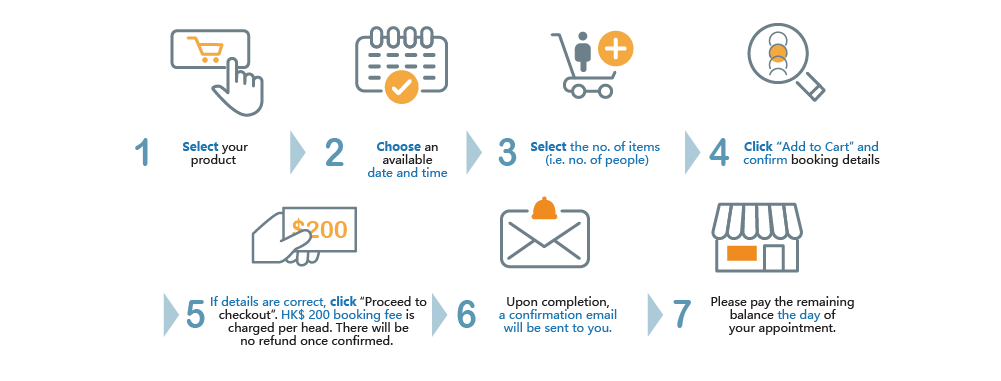
Booking Procedure
For more details on the program, please click check-up items.