【Comprehensive Female Hormone Test │ 11 Hormones + Vitamin D】
📍Price: HK$4,800 per person
❌ No fasting required for most hormone tests
⚠️This check-up should be performed on Day 2 or Day 3 of the menstrual cycle
📃 Report turnaround time: Approximately 7–10 working days
👨🏼⚕️Result explanation: Results will be clearly explained by GP or medical staff
🩺Procedure duration:Registration → Blood collection → Total time approximately 30-45 mins
📌Important Reminder
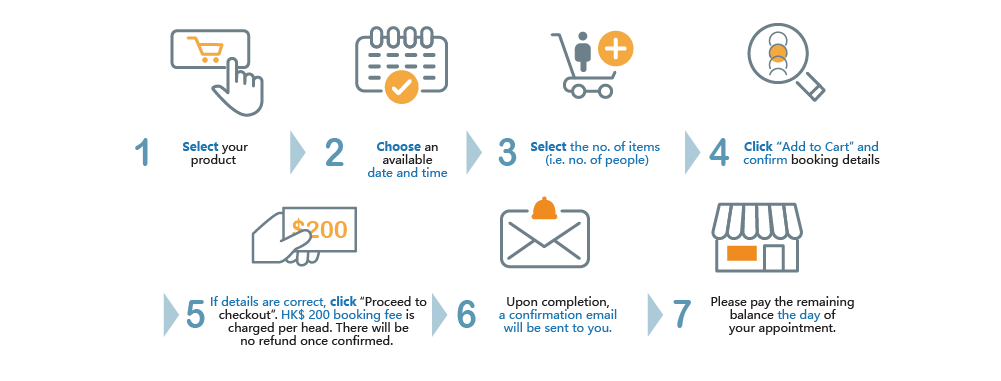
To ensure the examination can be arranged at the appropriate time, we generally recommend that patients make an online or phone appointment on the first day of their menstrual period. This allows us to schedule the test on Day 2 or Day 3 of the cycle and helps avoid unnecessary rescheduling.
Please note that each patient is entitled to one complimentary rescheduling only. Early planning and booking are therefore strongly advised to ensure a smooth examination process.
This test includes:
Cortisol
DHEA-S
Estradiol (E2)
Follicle Stimulating Hormone (FSH)
Free Thyroxine (FT4)
Free Triiodothyronine (FT3)
Thyroid Stimulating Hormone (TSH)
Luteinizing Hormone (LH)
Progesterone
Prolactin
Total Testosterone
Vitamin D
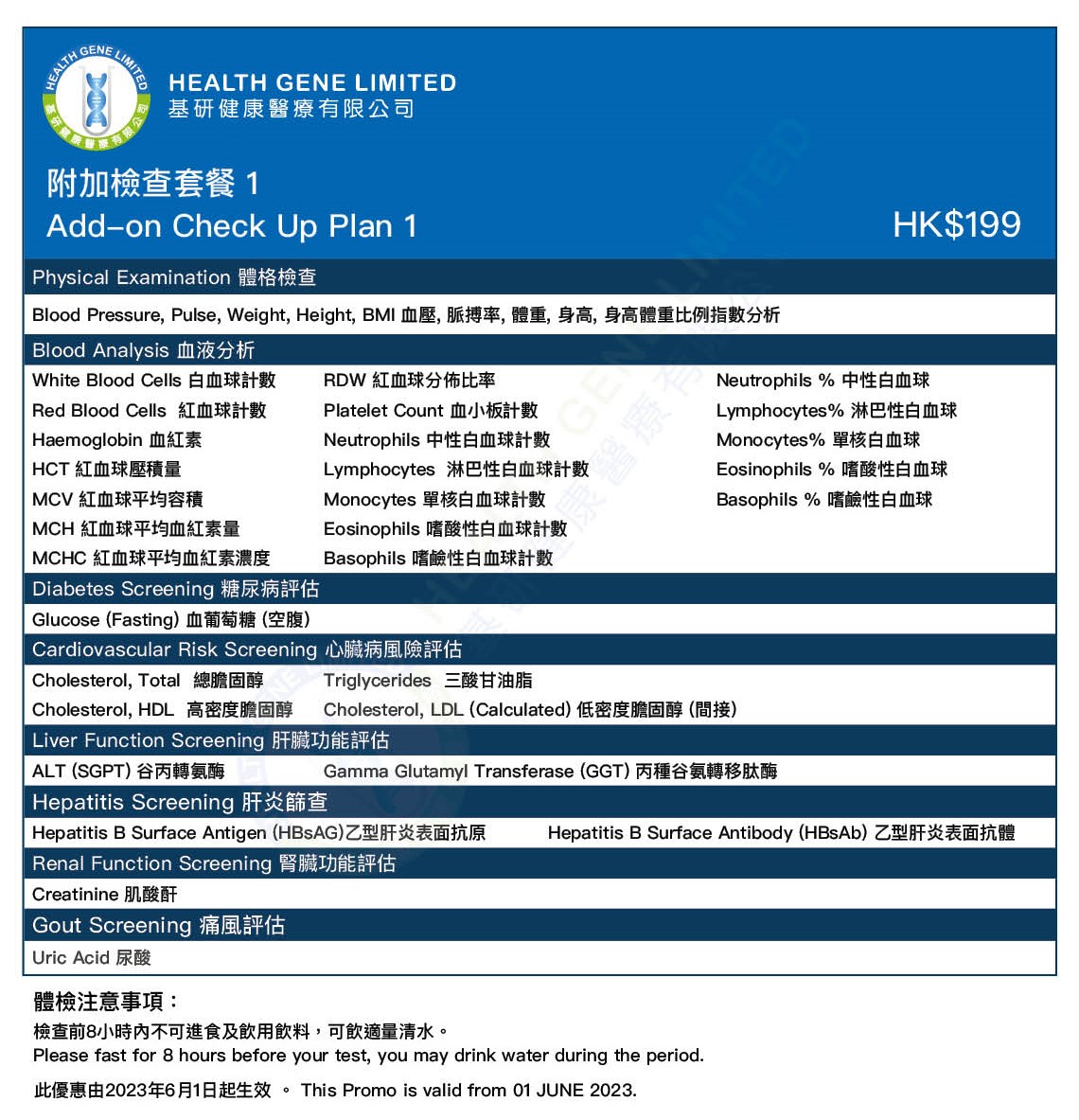
SPECIAL OFFER:
1. Add HK$199 for a Health check package (48 items).
Please state “add HK$199 check-up” in the additional information column when checking out.
Prolactin : Prolactin is mainly used to help women produce milk after childbirth. It’s important for both male and female reproductive health.
Luteinizing Hormone : Luteinizing Hormone (LH) stimulates the ovaries to release an egg and start producing progesterone – a hormone that prepares the uterine environment to nurture a fertilized egg.
Follicle Stimulating Hormone : Follicle-stimulating hormone (FSH) helps control the menstrual cycle and egg production. High levels of follicle-stimulating hormone (FSH) in a woman’s blood could reduce chances of getting pregnant.
Estradiol : A woman’s ovarian function and quality of eggs can be evaluated through testing estradiol, an important form of estrogen. Abnormal levels of estradiol, an important form of estrogen, decreases chances of in vitro fertilization (IVF) success.
Progesterone : Normal levels of progesterone, which prepares the uterus for a fertilized egg’s arrival, must be present in order for a woman to get pregnant.