Age Requirement: Must be aged 5 or above (individuals under 18 must be accompanied by a parent or guardian)
Report Consultation:Result explanation provided by a doctor or healthcare professional
Process: Registration ➝ Blood Draw (entire process takes only 30–45 minutes)
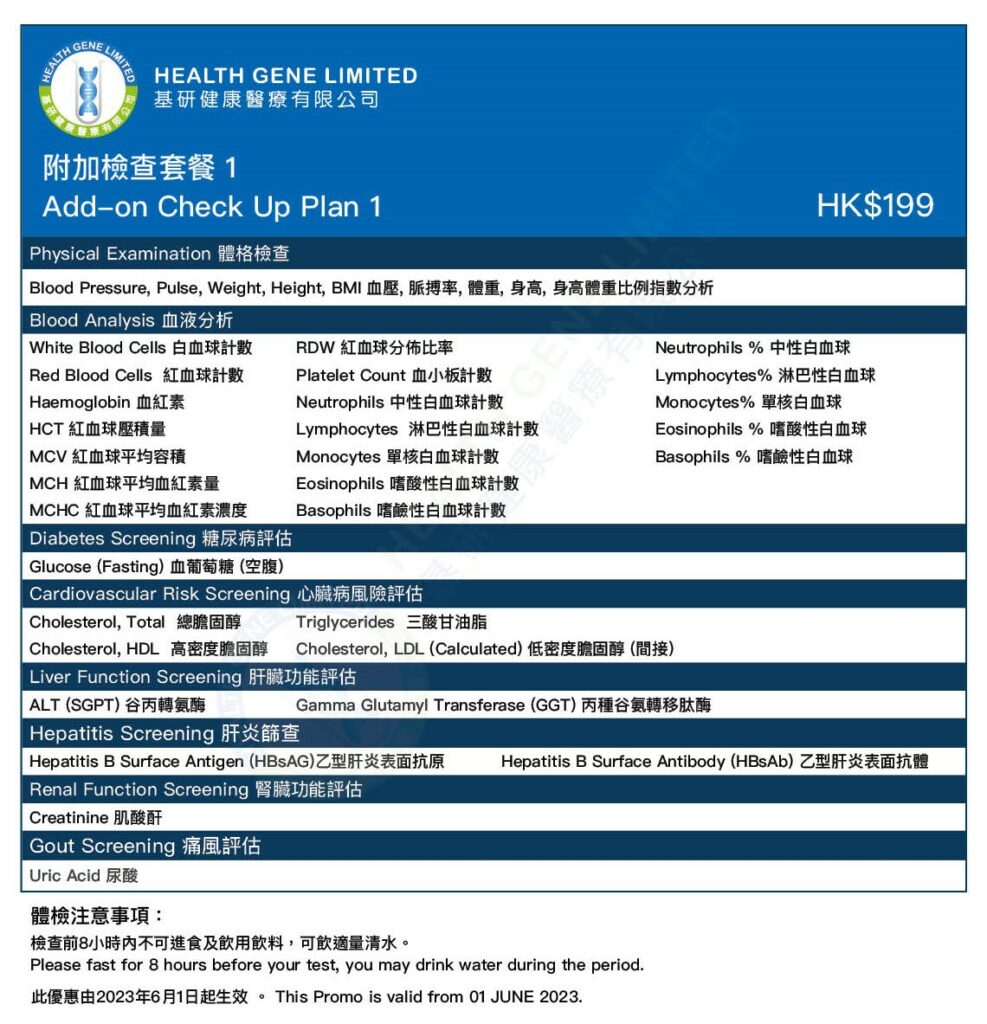
🎁Add-on Offer:Anyone booking this test can add on a 35-item health check package for HK$199 (details of the HK$199 health check package below 👇🏻). Please specify “Add HK$199 Health Check” in the remarks section when ordering. Thank you.
Food Allergy Test
Suitable for five years old or above.
SPECIAL OFFER:
1. Add HK$199 for a Health check package (48 items).
Please state “add HK$199 check-up” in the additional information column when checking out.
What is an Allergy?
An allergy is an immune system response to a foreign substance that’s not typically harmful to your body. These foreign substances are called allergens.
Your immune system’s job is to keep you healthy by fighting harmful pathogens. It does this by attacking anything it thinks could put your body in danger.
Depending on the allergen, this response may involve inflammation, sneezing, or a host of other symptoms.
Researchers aren’t exactly sure why the immune system causes an allergic reaction when a normally harmless foreign substance enters the body. Allergies have a genetic component. This means parents can pass them down to their children. However, only a general susceptibility to allergic reactions is genetic. Specific allergies aren’t passed down. For instance, if your mother is allergic to shellfish, it doesn’t necessarily mean that you’ll be, too.
A food allergy is when the body’s immune system reacts unusually to specific foods.
Although allergic reactions are often mild, they can be very serious.
Symptoms of a food allergy can affect different areas of the body at the same time.
The symptoms of a food allergy almost always develop a few seconds or minutes after eating the food.
Some people may develop a severe allergic reaction, which can be life-threatening.
The most common type of allergic reaction to food is known as an IgE-mediated food allergy.
Symptoms include:
tingling or itching in the mouth
a raised, itchy red rash (hives) – in some cases, the skin can turn red and itchy, but without a raised rash
swelling of the face, mouth (angioedema), throat, or other areas of the body
difficulty swallowing
wheezing or shortness of breath
feeling dizzy
nausea
vomiting
abdominal pain or diarrhoea
hay fever-like symptoms, such as sneezing or itchy eyes (allergic conjunctivitis)
Anaphylaxis (Should seek treatment immediately)
The symptoms of a severe allergic reaction (anaphylaxis) can be sudden and get worse very quickly.
Symptoms include swollen tongue, breathing difficulties, tight chest, trouble swallowing or speaking, feeling dizzy, collapse, etc.
The best way to prevent an allergic reaction is to identify the food that causes the allergy and avoid it.
Who is affected by food allergy?
Most food allergies affect younger children under the age of 3.
Most children who have food allergies to milk, eggs, soy, and wheat in early life will grow out of it by the time they start school.
Peanut and tree nut allergies are usually more long-lasting.
Food allergies that develop during adulthood, or persist into adulthood, are likely to be lifelong allergies.
For unknown reasons, rates of food allergies have risen sharply in the last 20 years.
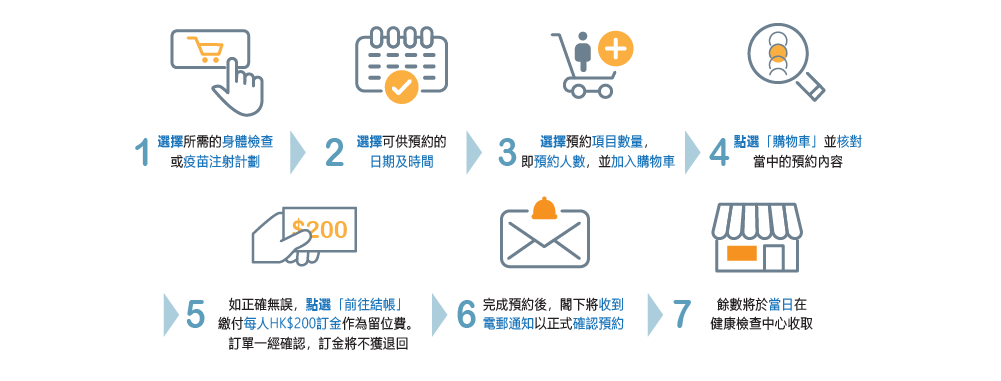
Booking Procedure
For more details on the program, please click check-up items.
What is an Allergy?
An allergy is a condition caused by an active response from the immune system. When individuals with an allergic constitution come into contact with an allergen (typically proteins in food), their immune system mistakenly identifies it as a dangerous invader and immediately launches a defense response (such as releasing histamine) to “attack.” Even a tiny amount of an allergen can trigger this reaction.
Allergy symptoms usually develop rapidly and intensely, occurring within seconds to two hours after exposure. Symptoms vary from person to person and may include: skin redness and swelling, hives, severe itching, swelling around the lips or eyes, respiratory reactions such as sneezing, wheezing, and throat swelling (commonly known as “nasal allergies,” or allergic rhinitis), as well as gastrointestinal symptoms like nausea, vomiting, abdominal pain, and diarrhea. Severe immediate allergic reactions can lead to a systemic reaction called anaphylaxis—a life-threatening condition where patients experience a sudden drop in blood pressure, difficulty breathing, loss of consciousness, or shock. Without timely treatment, severe cases can be fatal.
Furthermore, symptom severity can vary greatly despite the amount of exposure. Allergic individuals are often highly sensitive to even trace amounts of an allergen—for instance, someone with a nut allergy taking just a tiny bite of peanut-containing food can trigger a severe reaction—making complete and strict avoidance of the allergen essential.