$3,680.00Original price was: $3,680.00.$1,880.00Current price is: $1,880.00.
Reservation Deposit: HK$200
This check-up plan includes 10 items: basic physical measurements, lipoprotein(a), high-sensitivity C-reactive protein (hs-CRP), NT-proBNP, fasting blood glucose, Total cholesterol, HDL cholesterol, LDL cholesterol, VLDL and triglycerides—all from a single blood draw. It allows you to comprehensively assess five core risks: genetic, inflammatory, cardiac load, blood glucose, and cholesterol.
Price: HK$3,680 Discounted Price HK$1,880
During the promotional period, any purchase of this test package includes a free consultation with a Cardiologist.
⭐⭐You can’t change your genes. But you can change your plan.⭐⭐
High-Sensitivity C‑Reactive Protein (hs‑CRP)
Chronic arterial inflammation.
NT – Pro BNP
Early heart strain / failure risk.
Glucose (Fasting)
Diabetes and prediabetes.
Total Cholesterol
Measures the overall amount of cholesterol in your blood – the fundamental indicator for blood lipid health.
High-Density Lipoprotein (HDL) – “Good Cholesterol”
Helps remove bad cholesterol and protects blood vessels. Higher HDL levels reduce cardiovascular risk.
Low-Density Lipoprotein (LDL) – “Bad Cholesterol”
High LDL levels may adhere to artery walls, causing blockage, strokes, and heart disease.
Very Low-Density Lipoprotein (VLDL)
High VLDL levels can break down in the bloodstream, leaving sticky residues that contribute to plaque buildup in your arteries over time.
Triglycerides
Often elevated due to high-fat/high-sugar diets; associated with fatty liver, insulin resistance, and heart issues.
Comprehensive Report with Doctor’s Remarks & Recommendations
🧬 Is cholesterol testing alone sufficient for assessing cardiovascular risk?”?
Normal cholesterol doesn’t always mean your heart is in good shape. To understand your real risk, we should look beyond cholesterol—such as your family (inherited) risk, inflammation markers, blood pressure and other cardiovascular strain, blood sugar, and your full blood lipid results.
💡 Feel healthy? Get assessed—build your long-term prevention plan with your doctor.
🧬 Why undergo a nine-indication panel?
Heart disease and stroke are not caused by a single factor. These nine indicators reflect different underlying disease mechanisms. Looking at them together gives a clearer picture of your overall risk.
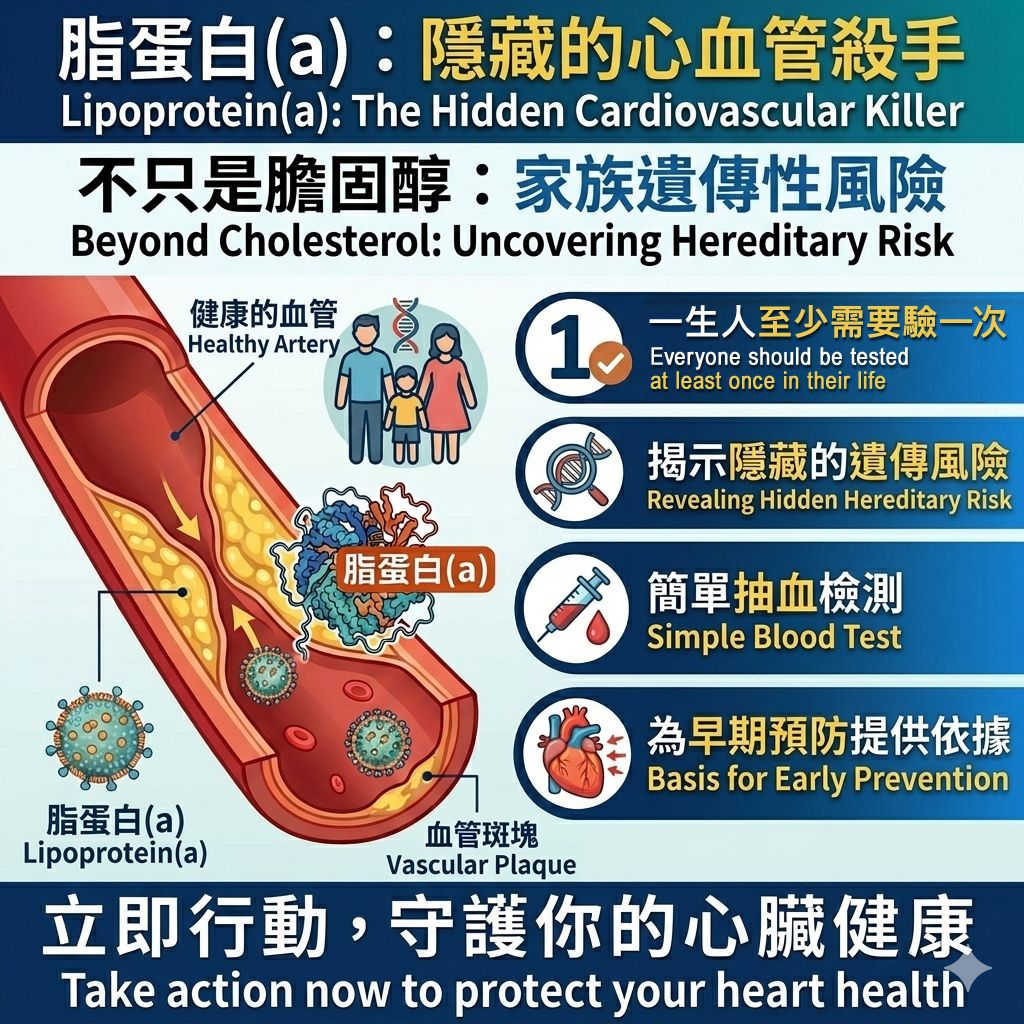
⭐Know Your Hidden Heart Risk: Lipoprotein(a)⭐
❗ What Is Lipoprotein a?
Lipoprotein(a) Lp(a) is a lipid particle synthesized in the liver. It contains cholesterol-carrying components along with an associated protein that promotes a prothrombotic tendency and can contribute to atherosclerotic plaque development and progression.
The key facts:
Genetic – Lp(a) levels are 70–90% genetically determined, inherited from one’s parents.
Stable for life – Unlike LDL or blood pressure, Lp(a) hardly changes with age, diet, or exercise.
High Lp(a) increases your risk of heart attack, stroke, and aortic valve disease – even if your other numbers are normal.
❗Why “at least once in a lifetime”?
📈 Major guidelines (ESC 2025, NLA 2024, ACC 2022) recommend: at least one lifetime Lp(a) measurement for every adult.
Lp(a) levels are genetically determined, they remain relatively constant throughout an individual’s life. A single blood test provides a permanent assessment of this specific cardiovascular risk factor, making routine repeat testing unnecessary. Re-evaluation is typically only required if a patient undergoes major physiological changes, such as the onset of menopause.
Who Should Get Tested?
While this screening is available to everyone, it is highly recommended for the following individuals:
Individuals with aFamily History of Premature Cardiovascular Disease (men under 55 or women under 65).
Patients withPersistent High Cholesterol despite taking statin medications.
Anyone who has experienced a heart attack, received a stent, or undergone bypass surgeryat a young age
Patients with Aortic Stenosis.
Recurrent Cardiovascular Issues.
Proactive Health Seekers – who wish to understand their lifetime genetic risk for cardiovascular disease.
❗What is high-sensitivity C‑reactive protein (hs‑CRP)?
High-sensitivity C‑reactive protein (hs‑CRP)is a precise marker that detects low‑grade inflammation in the blood. Even in the absence of obvious symptoms, chronic low‑level inflammation within the cardiovascular system can cause a persistent, mild elevation of hs‑CRP, thereby increasing the risk of arterial plaque formation and rupture.
❗Why is an elevated inflammatory level a cause for concern?
Growing medical evidence shows that, like high blood pressure and cholesterol, hs‑CRP is a key predictor of future cardiovascular events such as coronary artery disease and stroke.
❗Who should pay special attention?
Individuals with diabetes or metabolic syndrome
Those with a family history of premature cardiovascular disease
People with excess body fat (elevated BMI) and a sedentary lifestyle
Long-term smokersor those with poorly controlled hypertension.
❗What is NT‑proBNP?
NT‑proBNP is a hormone released into the bloodstream when the heart is under stress or excessively stretched. The higher the level, the greater the load on the heart.
🩺Why is this test so important?
Most patients with heart failure have experienced multiple medical visits before being diagnosed, yet the condition remained undetected.
NT‑proBNP can detect early cardiac stress even before symptoms appear.
📈Key International Guidelines
NT‑proBNP helps refine ASCVD risk stratification in individuals at low to intermediate risk. ASCVD is used to estimate a person’s probability of developing future cardiovascular disease, thereby guiding the selection of appropriate preventive measures.
STOP‑HF Study: NT‑proBNP screening can reduce cardiovascular events by up to 40% in high‑risk patients.
UK National Institute for Health and Care Excellence (NICE) 2026 Guidelines: ⚠️ NT‑proBNP <400 ng/L → Heart failure very unlikely ⚠️ NT‑proBNP 400–2,000 ng/L → Arrange echocardiogram within 6 weeks ⚠️ NT‑proBNP >2,000 ng/L → Urgent specialist referral within 2 weeks
🎯 Recommendation: Individuals with diabetes, hypertension, a family history of heart disease, or frequent shortness of breath or leg swelling should undergo this test.
❗What is Total Cholesterol ?
Total cholesterol is a measure of the total amount of cholesterol in your blood. It includes High-Density Lipoprotein (HDL), Low-Density Lipoprotein (HDL) etc.
❗Why it matters?
High total cholesterol → increased risk ofatherosclerosis, heart attack, and stroke.
⚠️Limitations of Total Cholesterol
Cannot distinguish between “good” and “bad” cholesterol
Does not reflect triglyceride levels
❗What is High-Density Lipoprotein (HDL)?
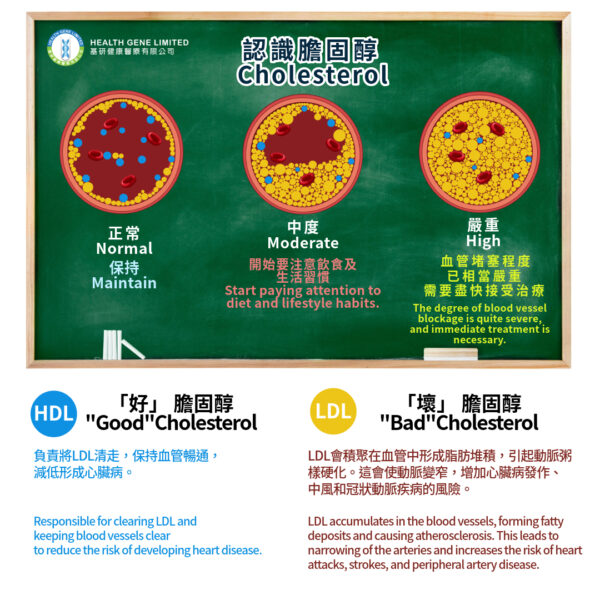
HDL is commonly referred to as “good cholesterol” It helps transport LDL (low-density lipoprotein) cholesterol from the blood vessels and surrounding tissues to the liver, where it is processed and removed from the body. By helping reduce cholesterol buildup in the artery walls, HDL supports better blood flow and helpslower the risk of developing heart disease.
❗What is Low-Density Lipoprotein (LDL)?
LDL is commonly known as “bad cholesterol” It can accumulate in the walls of blood vessels, promoting the formation of fatty deposits.
In general, the higher the LDL level, the greater the risk of developing atherosclerosis.
❗What is VLDL (Very Low-Density Lipoprotein)?
You’ve heard of LDL (“bad” cholesterol) and HDL (“good” cholesterol). But there’s another, hidden factor that could be affecting your arteries:VLDL (Very Low-Density Lipoprotein).
VLDL is like a delivery truck packed mostly withtriglycerides—a type of fat your body uses for energy. But when too many of these trucks are on the road, they can break down, leave sticky deposits, and contribute to plaque buildup in your arteries.
🩺Why should you care?
High VLDL = higher risk of heart disease, stroke, and metabolic issues.
Managing VLDL means managing real cardiovascular risk. Lowering VLDL isn’t just about numbers—it’s about keeping your blood vessels clear.
❗What are Triglycerides?
Triglycerides are a type of lipid (fat) in the body, similar to cholesterol.
When triglyceride levels are too high, it can significantly increase the risk of heart disease and stroke.
Target ranges & actions for each marker
1. Lipoprotein(a) – Lp(a)
– ✅ Target: <75 nmol/L (or <30 mg/dL)
– ❌ Elevated: ≥125 nmol/L (≈50 mg/dL)
– 📌 Action: If elevated, aggressively lower LDL; inform siblings and children to get tested once.
Often dute to diests high in sugar, fat or alcohol
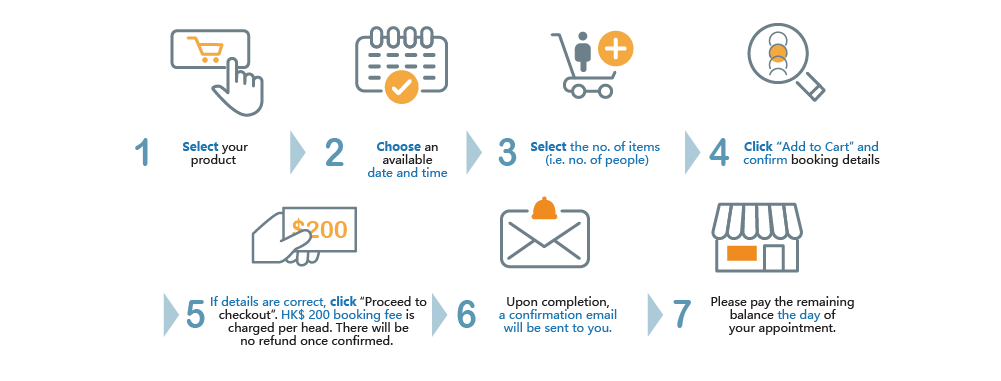
🔁 Screening Process:
1️⃣ Book online and confirm payment 2️⃣ Registration + Blood Sample Collection (Approx. 30-45 minutes) 3️⃣ Report ready in 4-7 working days 4️⃣Medical staff can explain the report content over the phone, or you may opt for a paid service to have the report explained by GP.