

helthgene

Call Us Today!|info@healthgene.com.hk
Loading...

Comprehensive Allergy IgE Test

Original price was: $2,200.00.Current price is: $2,000.00.

Reservation Deposit: HK$200.


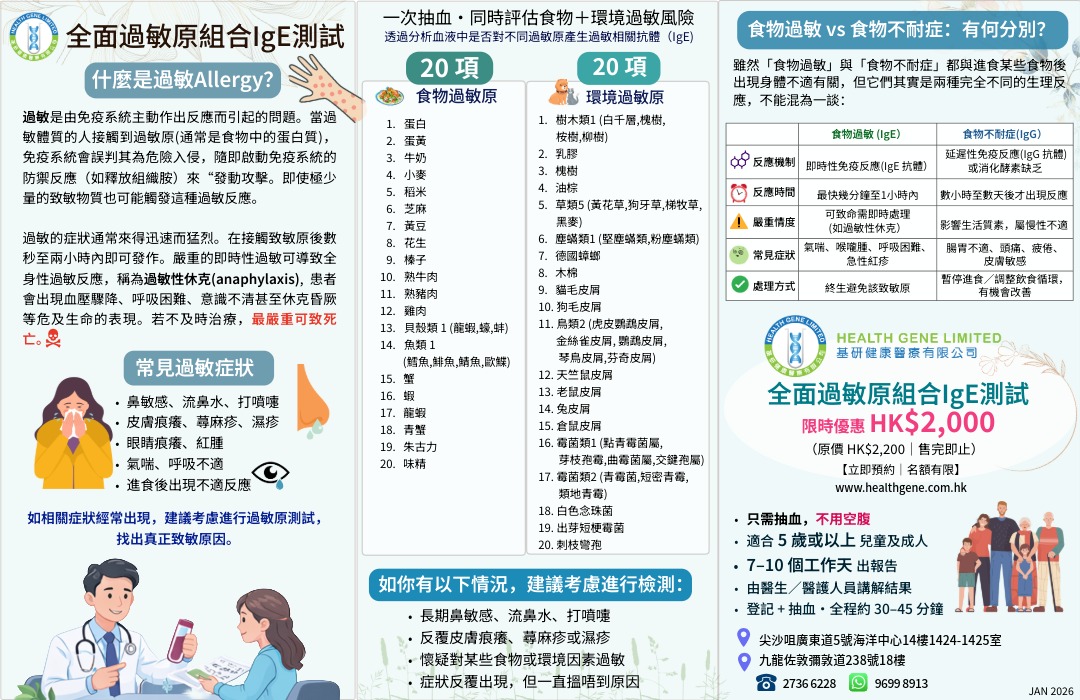
Comprehensive Allergy Panel Test (IgE blood test) analysing 40 common allergens, including food and environmental triggers. No fasting required. Suitable for individuals aged 5 and above. The entire process takes approximately 30–45 minutes, with results available in 7–10 working days and clearly explained by healthcare professionals.


Check Up Location:

AM Session: Tsim Sha Tsui, or Jordan.

PM Session: Tsim Sha Tsui only.

*Suite 1424-1425, 14/F, Ocean Centre, 5 Canton Road, Tsim Sha Tsui, KowloonAccept Elderly Health Care Voucher Scheme.

*18/F, 238 Nathan Road, Jordan, Kowloon Not Accept: Elderly Health Care Voucher Scheme, Octopus Card, WeChat Pay, Alipay HK.

【Comprehensive Allergy IgE Test|40 Allergens (Hong Kong)】

👉 A single blood test to comprehensively assess food and environmental allergy risks, helping identify potential allergy triggers.

🎉 Limited-Time Offer: HK$2,000 / person

(Original price: HK$2,200 | While stocks last)

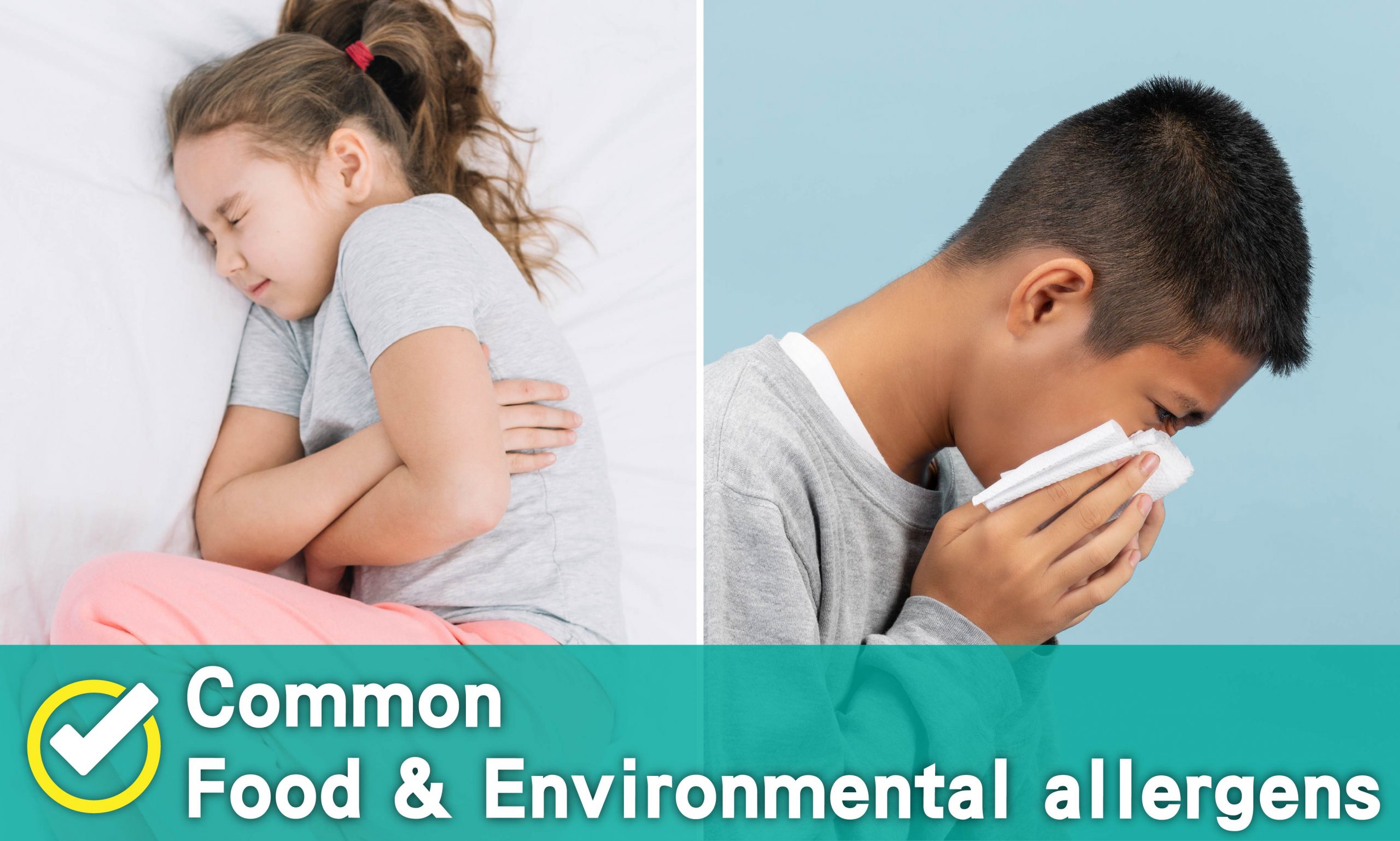
🔹 This test covers a total of 40 common allergens:

  • 🍽️ Food Allergens: 20 items
  • 🌿 Environmental Allergens: 20 items

✅ Key Features

  • Blood test only, no fasting required
  • Suitable for children aged 5 and above and adults
  • Results available in approximately 7–10 working days
  • Results clearly explained by doctors or qualified healthcare professionals
  • Simple process: Registration ➝ Blood collection ➝ Completion
    (Total time: approximately 30–45 minutes)

👉 Book now – limited availability


* Promotional items are non-transferable.
* In case of any dispute, Health Gene Limited reserves the right of final decision.

Special promo:

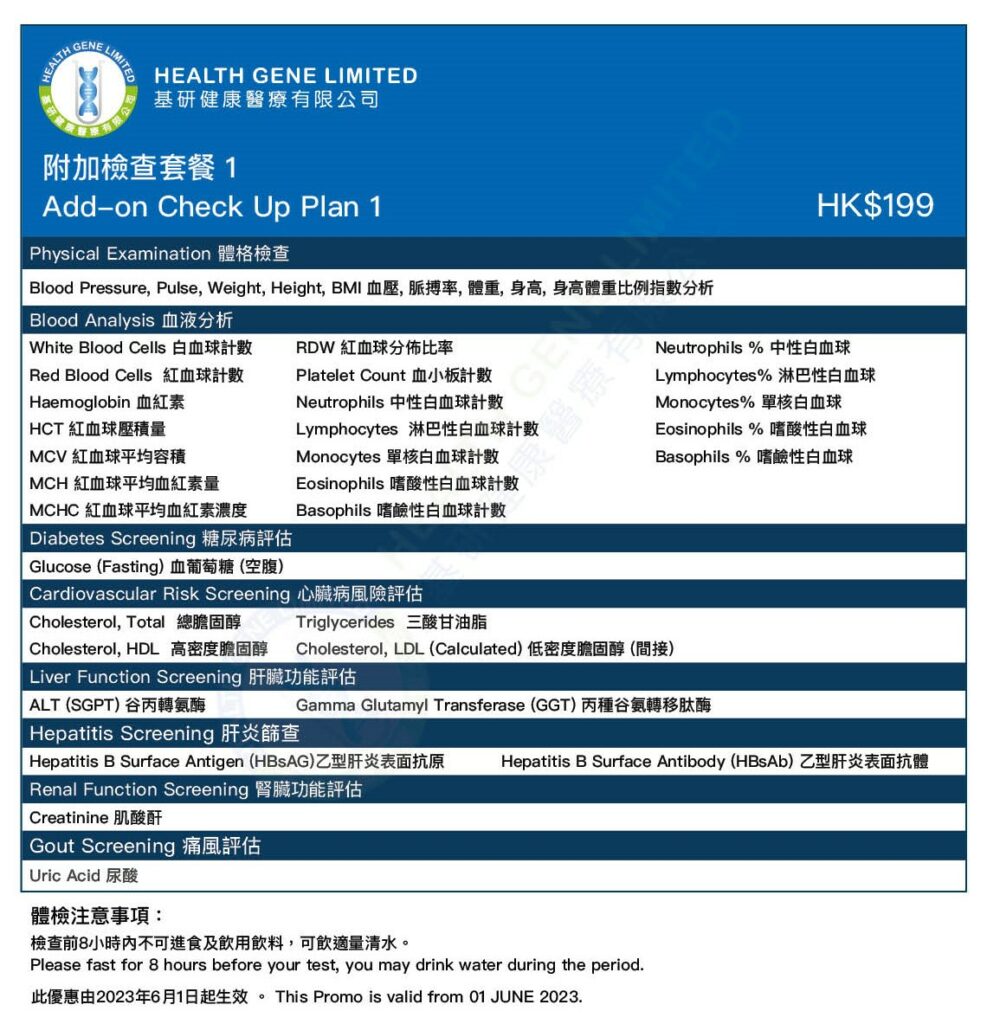
  • Add $199 for a general checkup (details below), please state “Add $199” in the additional column when checking out of your shopping cart online.


Are You Suitable for an Allergy Test?

You may consider undergoing allergy testing if you experience any of the following:

  • Persistent nasal allergy symptoms such as runny nose or frequent sneezing
  • Recurrent skin itching, hives, or eczema
  • Suspected allergy to certain foods or environmental factors
  • Symptoms that recur without an identifiable cause
  • A desire to undergo a comprehensive allergy assessment

👉 If allergy symptoms have affected your quality of life, early identification of allergy triggers is highly recommended.


Health Gene Comprehensive Allergy IgE Test (Blood Test)

  • Blood test analysing allergy-related antibodies (IgE)
  • No direct exposure to allergens, ensuring a high level of safety
  • Suitable for individuals seeking a comprehensive allergy assessment

What Is an Allergy?

An allergy is a condition caused by an active immune system response.
In individuals with allergic tendencies, the immune system mistakenly identifies certain substances—most commonly proteins found in food or the environment—as harmful invaders. The immune system then triggers a defensive response by releasing substances such as histamine, leading to allergic reactions. Even trace amounts of allergens may provoke symptoms.

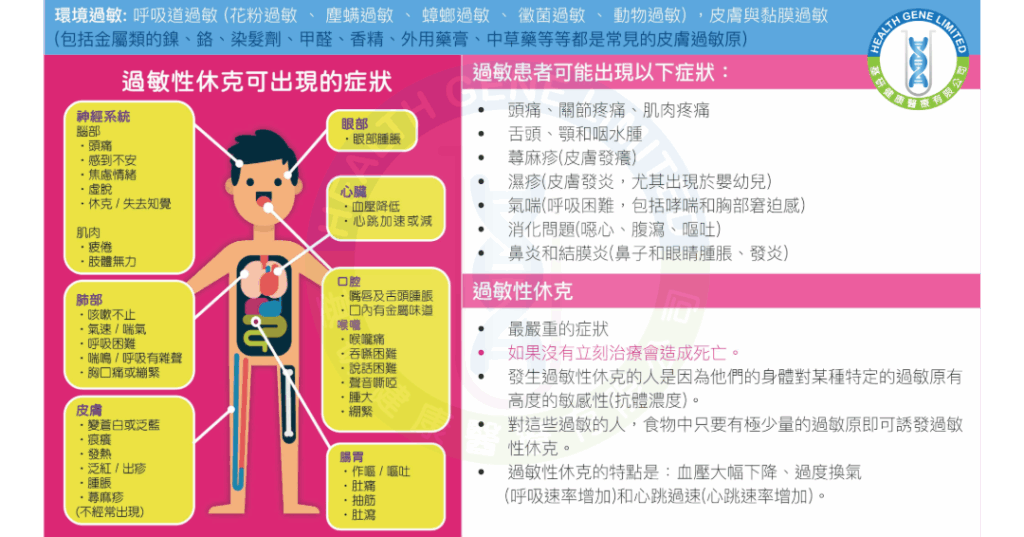
Allergic reactions typically occur rapidly and intensely, often within seconds to two hours after exposure. Symptoms vary among individuals and may include:

  • Skin redness, hives, or severe itching
  • Swelling of the lips, eyelids, or face
  • Respiratory symptoms such as sneezing, wheezing, throat tightness, or shortness of breath
  • Gastrointestinal symptoms including nausea, vomiting, abdominal pain, or diarrhoea

In severe cases, immediate allergic reactions may result in anaphylaxis, a life-threatening condition characterised by sudden drops in blood pressure, breathing difficulties, loss of consciousness, or shock. Without prompt medical treatment, anaphylaxis can be fatal.

The severity of allergic reactions is often not related to the amount of allergen exposure. Individuals with allergies may react strongly to extremely small quantities—for example, a person with nut allergy may experience severe reactions after consuming even trace amounts—therefore strict avoidance of allergens is essential.


Common Allergens and Triggers

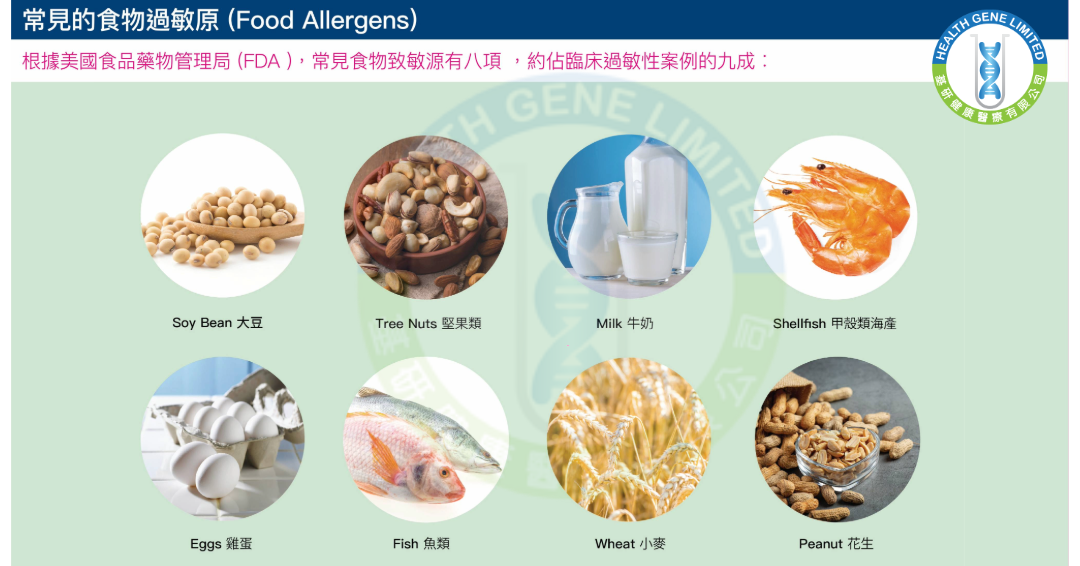
Allergies may be triggered by a wide range of substances. The most common food allergens account for the majority of food allergy cases and include:

  • Milk
  • Eggs
  • Soy
  • Gluten-containing grains (such as wheat)
  • Peanuts
  • Tree nuts (e.g. almonds, cashews)
  • Fish
  • Shellfish

Proteins found in these foods are most likely to be recognised as targets by the immune system.

Environmental allergens are also common, particularly in Hong Kong. These include dust mites, pollen, animal dander, and mould spores, which are major contributors to allergic rhinitis (nasal allergy), asthma, and other respiratory allergic conditions.


What Are Common Allergy Symptoms?

Allergy symptoms vary from person to person and may include:

  • Nasal allergy symptoms such as sneezing or runny nose
  • Skin itching, hives, or eczema
  • Eye itching or redness
  • Wheezing or breathing discomfort
  • Physical discomfort after food consumption

If such symptoms occur frequently, professional allergy testing is recommended to identify the underlying triggers.


What Types of Allergy Tests Are Available?

Common allergy testing methods include:

  • Skin Prick Test

This test requires direct exposure to allergens. While results are obtained quickly, outcomes may be affected by skin conditions, and the range of testable allergens is limited.

  • IgE Blood Test

This method analyses whether the blood contains allergy-related IgE antibodies specific to different allergens.
It does not require direct allergen exposure, offers a higher level of safety, and allows testing for multiple allergens at once.

👉 For individuals seeking a comprehensive allergy assessment, IgE blood testing is generally more suitable.


Food Allergy vs Food Intolerance: What Is the Difference?

Although both food allergy and food intolerance are associated with discomfort after food consumption, they are completely different physiological responses and should not be confused.

Comparison Overview

Category Food Allergy(IgE) Food Intolerance(IgG)
✅ Mechanism Immediate immune response (IgE antibodies) Delayed immune response (IgG antibodies) or enzyme deficiency
🕐 Onset Time Minutes to 1 hour Several hours to days
⚠️ Severity

❗️Potentially Life-Threatening☠️(e.g. anaphylaxis)

Chronic discomfort affecting quality of life 🤢
😰 Common Symptoms

Wheezing, throat swelling, breathing difficulty, acute rashes

Gastrointestinal discomfort, headaches, fatigue, skin sensitivity
🧪Testing method IgE blood test, skin prick test IgG blood test
🧑‍⚕️ Management Lifelong avoidance of allergen Dietary adjustment and food rotation may improve symptoms

Symptom Pattern Comparison

Presentation More Likely Allergy More Likely Intolerance
Rapid and severe reaction
Reaction occurs every time the food is consumed ❌(May only trigger a reaction after cumulative exposure)
History of emergency treatment or allergy medication
Gastrointestinal or skin symptoms appearing 1–2 days later

Comp. Allergy IgE Test


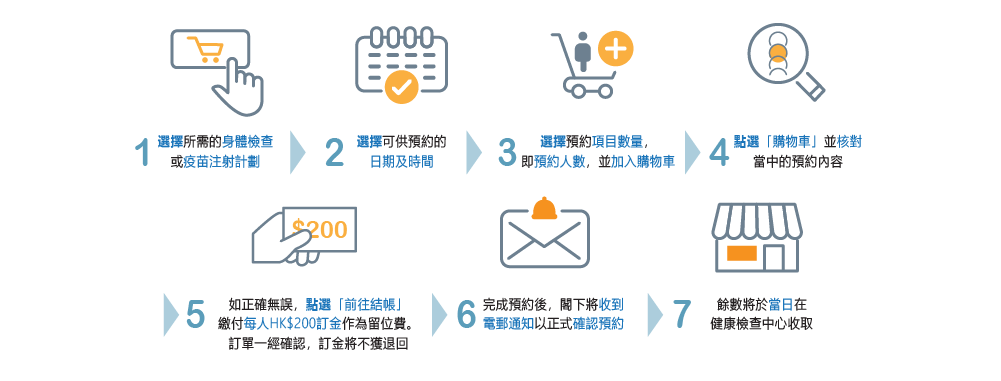
Booking Procedure

For more details on the program, please click check-up items.

Total IgE

Total IgE

Food Allergens

1. Egg White
2. Egg Yolk
3. Cow’s Milk
4. Wheat
5. Rice
6. Sesame
7. Soybean
8. Peanut
9. Hazelnut
10. Beef, cooked
11. Pork, cooked
12. Chicken
13. Shellfish Mix 1 (Spiny Lobster, Oyster, Clam)
14. Fish Mix 1 (Codfish, Herring, Mackerel, and Plaice)
15. Crab
16. Shrimp / Prawn
17. Lobster
18. Blue Crab
19. Chocolate
20. Glutamate

Environmental Allergens

21. Tree Mix 1 (Willow, Eucalyptus, Acacia, Melaleuca)
22. Latex
23. Acacia
24. Oil Palm
25. Grass Mix 5 (Sweet Vernal Grass, Bermuda, Timothy Grass and Cultivated Rye)
26. House Dust Mite Mix 1 (Der. Pteronyssinus, Der. Farinae)
27. Cockroach, German
28. Kapok
29. Cat Dander – Epithelium
30. Dog Epithelium
31. Cage Bird Mix 2 (Budgerigar-, Canary, Parrot, Lorebird, and Finch Feathers)
32. Guinea Pig Epithelium
33. Mouse Epithelium
34. Rabbit Epithelium
35. Hamster Epithelium
36. Mould Mix 1 (Penicillium notatum, Cladosporium herbarum, Aspergillus fumigatus and Alternaria Alternata)
37. Mould Mix 2 (Penicillium notatum, P. brevicompactum and P. roqueforti)
38. Candida Albicans
39. Aureobasidium pullulans
40. Curvularia specifera

You may also like…